
Under-Sink Water Filters: The Pros and Cons You Need to Know
Clean, safe drinking water is essential for every household. Whether you're concerned about chlorine, lead, sediment, or just want better-tasting water, installing a home water filter is a smart move. But with so many options available, it’s important to weigh the pros and cons. If you're considering upgrading your water quality, here’s why an under-sink water filter might be the perfect solution and how RWC’s SharkBite and John Guest products can help for a reliable, water-tight installation.
What Is an Under-Sink Water Filter?
An under-sink water filter is a water purification system installed beneath your kitchen sink. It connects directly to your cold water line and delivers filtered water through a dedicated faucet. These systems are designed to remove contaminants like chlorine, lead, sediment, and more—providing clean, great-tasting water on demand.
Pros
1. Superior Filtration Performance
Under-sink systems often feature multi-stage filtration, which uses activated carbon, sediment filters, and sometimes reverse osmosis to filter your water. While not all under-sink water filters are the same, the most common contaminants they remove are:
- Chlorine
- Lead and heavy metals
- Pesticides and VOCs
- Microorganisms (with RO or UV stages)
- Pharmaceuticals
- PFAS
- Microplastics
Plus, hear from David Hunt, a master plumber of 35 years, in this short video on why he recommends installing an under-sink water filter and what you may not have known about water quality.
Benefits of a Water Filtration System
2. On-Demand Convenience
The convenience of under-sink filters sets them apart from other options since it delivers clean, filtered water right to the tap. These filters eliminate the need to refill pitchers or wait for gravity-fed systems. Under-sink filters provide instant access to filtered water through a dedicated faucet, making clean hydration and cooking easier and faster.
3. Space-Saving, Aesthetic Design
Unlike countertop filters or bulky pitchers, under-sink systems are tucked away out of sight, preserving your kitchen’s aesthetics and counter space. Plus, these filters won’t take up much space under your sink, especially when installed with products like John Guest and SharkBite Max fittings, which are designed for tight spaces. This allows you to not only save on storage space, but allows for easy access when it’s time to change the filter.
4. Easy Installation
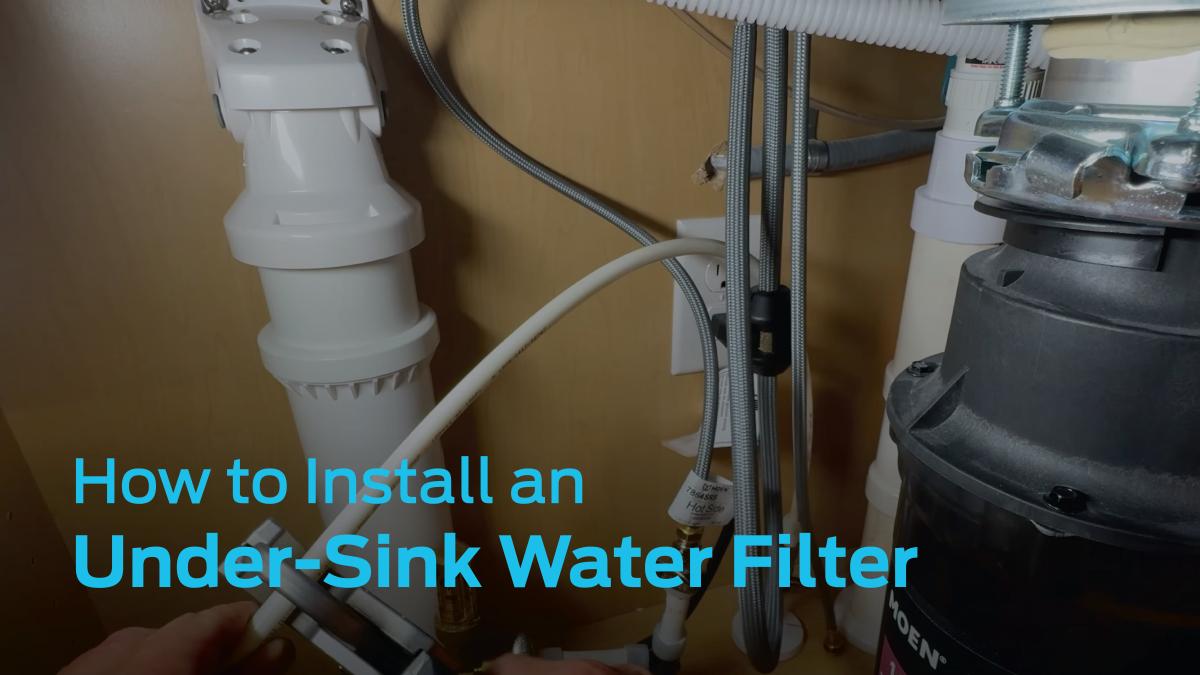
Under-sink water filters can be installed by plumbers and homeowners alike and should take around 30 minutes or less. Plus, using SharkBite and John Guest products make installing one even easier. Simply use John Guest tubing, push-to-connect elbows and both female and male connectors to connect your cold supply line to the filter and SharkBite PEX cutters to cut your tubing. For a full tutorial and step-by-step instructions, check out the link below.
Under-Sink Filter Installation
5. Sustainable Choice
Finding a sustainable water filter may be challenging, but with an under-sink water filter, you can reduce single-use plastic waste and energy use. By eliminating the need for bottled water and frequent cartridge changes, these filters minimize overall waste and encourage the use of tap water. Also, since these systems operate without electricity, they have a lower carbon footprint compared to other systems.
Get more information on the sustainability of water filters and which ones are the least harmful to our environment.
Cons
1. Single-point filtration
While under-sink water filters offer many benefits, there are a couple of things to keep in mind. One thing to consider is that this filter is limited to one sink. To get filtered water in multiple locations, you would need to connect it to your whole-home system or install one in multiple sinks throughout your home. If you are facing serious water quality issues, consider purchasing a larger system that will ensure your showers, sinks, and all other water sources deliver safe water.
2. Upfront costs
There are some upfront costs to consider before installing an under-sink water filter. This will depend on the actual type of filter you purchase. An average multi-step filter will cost around $50-$200, but other filters, like reverse-osmosis, range from $200-$800 or more depending on brand and filter capabilities. Other costs for under-sink filters include replacement filters and the materials you’ll need for installation.
When it comes to costs, it’s not all bad news. Although the upfront cost is higher than a pitcher filter or a faucet filter, the cost over a longer period is usually lower because of their durability, quality and reliability.
Why Use SharkBite and John Guest Fittings for Installation?
Using SharkBite and John Guest products not only streamlines the installation but ensures safe and secure connections. Below is a list of materials that will make installation fast, easy and stress-free.
Featured Products:
- John Guest 3/8 in. LLDPE Tubing
- John Guest Fittings
- John Guest Polypropylene Push-fit 3/8 in. Elbow
- John Guest Polypropylene Push-fit 3/8 in. Female Connector
- John Guest Polypropylene Push-fit 3/8 in. Male Connector
- SharkBite PRO PEX Cutters
1. Fast and Easy to Use
Both John Guest and SharkBite products are specifically designed so that you can quickly and easily install them in even the tightest of spaces. This easy-to-use design is ideal to install an under-sink water filter. For this installation, you’ll mostly need John Guest push-to-connect fittings, which you can simply push onto a plastic or copper prepped pipe.
2. Safe and Reliable
Using SharkBite and John Guest products are safe to use and are a long-lasting plumbing solution. The John Guest fittings you need for this installation are made of lead-free, food-grade materials and are suitable for potable liquids and pure water. Many of these fittings are specifically designed for supply lines on beverage and coffee equipment, water filtration and vending machine applications.
John Guest fittings also feature the proper approvals and listings, like NSF61, as well as max working temperatures and pressures, which vary depending on the type of fittings you use. To see all approvals and listings, visit John Guest product pages.
3. Removable
John Guest and SharkBite push-to-connect fittings are designed with you in mind, making installing a fitting risk-free. This unique feature allows you to save piping, meaning you don’t have to cut out the fitting and can instead remove the fitting without damaging it or the pipe. To disconnect John Guest push fittings, depressurize the system, push the end of the fitting, which is called the collet, and remove the pipe. For SharkBite push-to-connect fittings, use the Pro disconnect tool to remove the fitting safely and easily.
For more information on installing an under-sink water filter, visit our YouTube shorts page below for step-by-step instructions.